What Does Toxic Mold Look Like In A Bathroom?
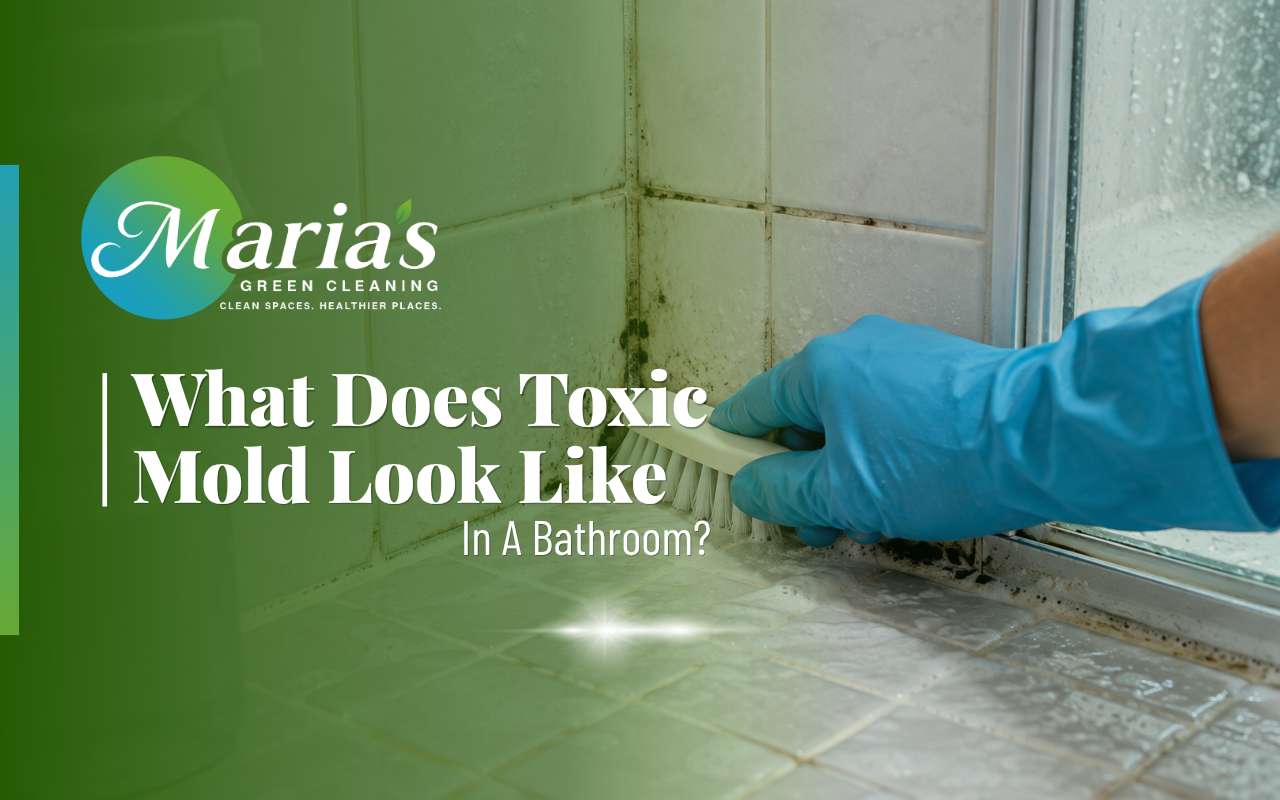
Mold can be a serious issue in bathrooms, particularly the toxic kinds that can pose health risks. Identifying what toxic mold looks like can help in early detection and remediation.
Common Characteristics of Toxic Mold
- Color: Toxic mold can vary in color, often appearing black, green, or brown.
- Texture: It typically has a fuzzy, slimy, or even velvety texture.
- Location: Found in damp areas, particularly around sinks, tubs, and under leaking fixtures.
- Smell: Mold can produce a musty odor, indicating its presence.
Health Effects of Toxic Mold
- Respiratory Issues: Can cause or exacerbate conditions like asthma and allergies.
- Skin Irritation: Contact can lead to rashes and irritation.
- Headaches: Some individuals may experience headaches as a response to mold exposure.
Common Bathroom Mold Warning Signs
- Dark spots around grout, caulk, ceilings, or window edges
- Fuzzy, slimy, or patchy surface growth
- Musty odor that returns after cleaning
- Stains near leaks, damp drywall, or poor ventilation
- Growth that keeps returning in the same area
Health and Safety Note
Some people may experience symptoms around damp or moldy environments, while others may not. People with asthma, allergies, respiratory conditions, or immune concerns should be especially cautious and seek appropriate guidance when exposure is a concern.
Regular cleaning, proper ventilation, and moisture control can reduce bathroom mold growth. If the problem is large, hidden, recurring after leaks, or connected to water damage, it may exceed routine cleaning.
Schedule your bathroom cleaning when everyday bathroom buildup needs professional support.
Start by Checking Where Bathroom Moisture Collects
Shower corners, grout joints, ceilings, window edges, and caulk lines often stay damp longer than open tile surfaces. Poor ventilation, frequent hot showers, plumbing leaks, or wet fabrics can keep moisture present.
At Maria’s Green Cleaning, we bring 15+ years of experience to detailed bathroom cleaning where surface condition matters before products are chosen. EPA guidance explains that mold control depends on moisture control, so cleaning should be paired with drying and ventilation habits.
Choose Cleaning Methods by Surface Material
Tile, grout, caulk, painted drywall, natural stone, and metal fixtures should not all be treated the same way. A cleaner suitable for glazed tile may be inappropriate for porous stone or damaged painted surfaces.
Review compare bathroom cleaning products before using a new product on a sensitive surface.
Use This Bathroom Mold Cleaning Guide
Different bathroom surfaces show mold, moisture, and residue in different ways. This guide helps separate routine cleaning areas from conditions that may need repair or specialized assessment.
| Bathroom Surface | Common Issue | Routine Cleaning Focus | When to Pause |
|---|---|---|---|
| Grout | Dark surface spots | Gentle brushing | Joint is cracked or failing |
| Caulk | Persistent discoloration | Surface-safe cleaning | Caulk is separating |
| Tile | Soap film and spotting | Material-safe cleaner | Surface is damaged |
| Painted wall | Damp staining | Identify moisture first | Drywall feels soft |
| Vanity or cabinet area | Musty odor or stains | Check nearby leaks | Material feels swollen or soft |
Clean Small Surface Areas Carefully
Small surface spots on hard bathroom materials may often be cleaned with the right product, ventilation, and gentle scrubbing. Follow product directions, use gloves when needed, and avoid aggressive scraping that damages grout, caulk, or painted finishes.
Never mix cleaning chemicals. CDC warns not to mix bleach with ammonia or other cleaners because it can create dangerous vapors.
Use a Daily Moisture Reduction Routine
Reducing repeated moisture can slow how quickly surface growth returns after cleaning. EPA says recurring mold in a shower or bathroom is often helped by increasing ventilation and cleaning more frequently.
- Run ventilation during and after showers.
- Dry standing water from ledges and corners.
- Hang towels so they dry fully.
- Keep shower doors or curtains open after use.
- Watch for leaks around fixtures.
- Replace failed caulk when appropriate.
Clean Grout Without Damaging the Joint
Grout can hold discoloration and residue in its textured surface. Use a suitable brush and cleaner, but avoid excessive scraping that can damage joints and create rougher areas that collect more buildup later.
For a fuller process, visit read bathroom cleaning guide.
Know When Mold Exceeds Routine Cleaning Scope
Large affected areas, recurring growth after leaks, damaged drywall, soft materials, or suspected hidden moisture may require specialized assessment instead of standard house cleaning.
Free estimates are available for routine cleaning services, but cleaning should not be presented as a substitute for remediation when the condition is beyond normal surface care. If an active plumbing leak is present, correct the leak before expecting cleaning alone to stop recurring growth.
Sanitize Only After Soil and Residue Are Removed
Cleaning and sanitizing are different steps. Visible soap scum, body oils, residue, and dirt should be removed before any sanitizing process is considered.
For broader household hygiene guidance, review review home sanitizing tips. Our team at Maria’s Green Cleaning can also help with regular bathroom cleaning.
Prevent Bathroom Mold From Returning Quickly
- Dry shower corners after use. Small wet ledges can stay damp long after open tile surfaces have dried.
- Check the exhaust fan. A fan that runs but moves little air may not control bathroom moisture effectively.
- Keep bottles off wet grout lines. Containers can trap water and soap residue against corners and shelves.
- Wash bath mats regularly. Damp textiles can keep humidity high near floors and tub edges.
- Inspect caulk joints. Cleaning cannot repair caulk that is split, loose, or no longer sealing the joint.
Maintain Better Airflow After Bathroom Cleaning
Ventilation and drying habits remain important after the bathroom looks clean because moisture conditions can return quickly. Keep bathroom doors open when practical after showers to improve air movement and shorten drying time.
For deep cleaning in Greenwich, review view Greenwich deep cleaning for related service information.
Frequently Asked Questions
How do I remove mold from shower grout?
Use a product appropriate for grout, follow the label, ventilate the room, and scrub gently without damaging the joint.
Can mold return after cleaning?
Yes. If moisture remains high or a leak continues, surface growth can return even after the area looks clean.
Should I mix bleach with other cleaners?
No. Never mix cleaning chemicals unless the product instructions specifically state they are compatible.
Can bathroom fans help prevent mold?
Ventilation can help reduce lingering moisture, especially when the fan is used during and after showers.
When should I call a specialist?
Large, recurring, hidden, or water-damage-related mold problems may need professional assessment beyond normal cleaning service.
Keep Bathroom Mold Cleaning Focused on Moisture Control
Effective cleaning mold from bathroom surfaces combines surface-safe cleaning with better ventilation and moisture control. Residential and commercial services are available for routine cleaning needs.
Book your bathroom estimate or review our cleaning services with Maria’s Green Cleaning when you need a deep cleaning service for everyday bathroom buildup.